
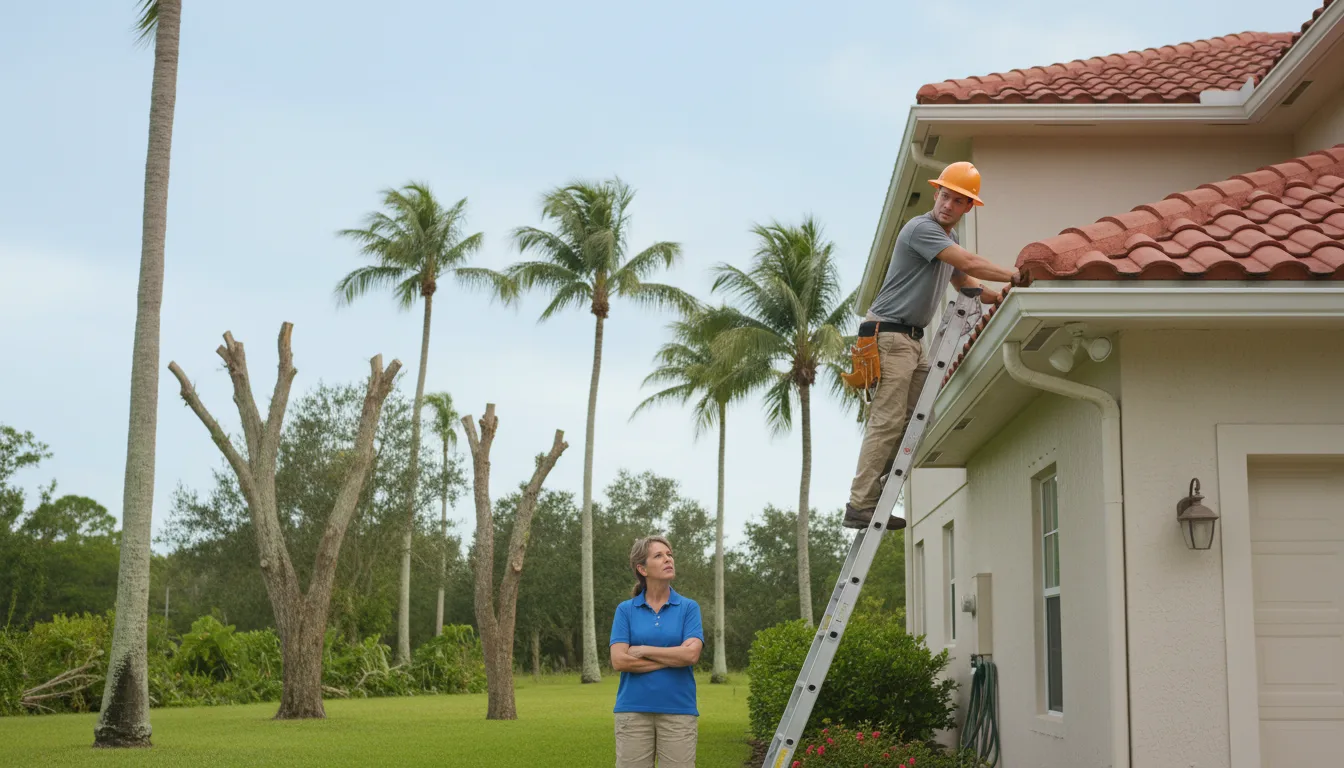
Hurricane season in Florida officially runs from June 1 through November 30, but preparation should start well before the first named storm forms. A roof that has small vulnerabilities heading into storm season — loose flashing, aging shingles, soft decking — is far more likely to experience significant damage than one that has been properly inspected and addressed.
This guide covers the practical steps Lakeland and Central Florida homeowners can take to prepare their roofs before storm season, what to look for, and when to call a professional.
Start with a Professional Roof Inspection
The most important thing a Florida homeowner can do before hurricane season is have a licensed roofer complete a professional roof inspection. Visual inspections from the ground can catch obvious issues, but a professional inspection looks at flashing connections, fastener condition, underlayment exposure, decking integrity, and ventilation details that are not visible from street level.
Getting an inspection done in April or May gives you time to address anything that needs repair before storm season begins. Waiting until June or later compresses the window and often puts you in a longer queue as other homeowners try to do the same thing.
Key Vulnerabilities to Address Before Storm Season
- Loose or improperly sealed flashing around chimneys, vents, skylights, and roof-to-wall transitions — these are the most common entry points for water during storm events.
- Missing, curling, or cracked shingles that can be displaced or fully removed by high winds.
- Soft or deteriorating roof decking that can fail under wind uplift pressure.
- Gutters that are loose, clogged, or pulling away from the fascia — storm water volume overwhelms inadequate drainage quickly.
- Trees with large branches overhanging the roof that could make contact or fall during a high-wind event.
Understand Your Roof's Wind Rating
Florida building code requires roofing materials to meet specific wind resistance standards that vary by location and construction date. If you know the age and type of your roofing system, a roofing professional can help you understand whether the system meets current wind standards or whether there are upgrades that would improve performance.
Homes built or reroofed after major building code updates in Florida generally have stronger requirements for fastening, underlayment, and edge details than older homes. If your home has an older roof, understanding what that means for storm performance is part of an informed preparation process.
Document Your Roof's Condition Before Storm Season
Photographs taken before a storm are valuable when it comes time to assess damage and file an insurance claim. Walk around the exterior of your home and take photos of the roof from ground level, noting any existing conditions like staining, wear patterns, or repaired areas.
Keep records of any roofing work done in recent years, including permits, warranties, and contractor documentation. These records support insurance conversations and help establish what was pre-existing versus storm-caused.
After a Storm: What to Do First
- Do not go on the roof yourself immediately after a storm — wait until conditions are safe and the structure has been assessed.
- Photograph any visible damage from the ground or from safe vantage points before any tarping or temporary repair work begins.
- Contact a licensed Florida roofing contractor for a professional storm damage assessment before agreeing to work from any storm-chasing crew that appears unsolicited. If damage is severe, emergency roof repair may be needed to prevent further water intrusion.
- Contact your insurance company to report potential damage and understand your claim timeline and documentation requirements. See our guide on how to file a roof insurance claim in Florida for step-by-step guidance.
- Keep records of all communications, estimates, and repair work related to storm damage for insurance purposes.
KEY TAKEAWAYS
- A professional roof inspection before hurricane season is the most effective way to identify and address vulnerabilities before storms arrive.
- Flashing, shingle condition, decking integrity, and gutter attachment are the most important things to address before storm season.
- Documenting your roof's condition before storm season protects you if you need to file a claim after a weather event.
SOURCES AND FURTHER READING